
What is the future for UK Electronic Stores?
The past year has been a dark year for videogame fans everywhere. Many developers have closed their doors due to their games just not selling enough.
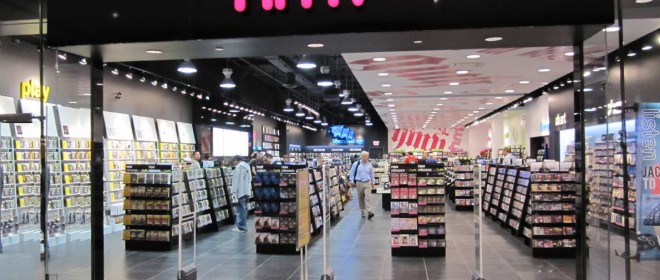
 Even big companies such as THQ no longer exist to create the games we all love. This past year has been especially dark in the retail zone, with Blockbuster and HMV having to close many of it’s stores due to becoming obsolete ( thanks to Amazon and Play.com).
It seems everytime we blink a new retailer has been forced to close it’s doors due to the rising popularity of online shopping, i mean who wants to go out and wrestle a bunch of strangers just to get a copy of the newest game? Nobody hence why everybody buys online nowadays.
In recent months however, the UK has seen a retailer crisis of it’s own, as GAME and Gamestation went into administration.
Luckily after some shifting and the closing down of every Gamestation store, GAME was able to pull back from being wiped away possibly due to the fact the company had adopted an online ordering model to get itself back in the game competing with Amazon and Play.

Michael Pachter, who is Wedbush Securities managing director attacked the UK retail market after his recent assessment of the current way
The UK games retail market is a joke, with retailers pricing below cost to drive traffic,”
he told Digital Spy.
That’s great for consumers, but retailers can’t make any money on games, hence the bankruptcies of , HMV and Blockbuster, and the refusal of GameStop to expand into the market.”
Pachter, well known for his opinions, believes that US games retailer GameStop has shunned an expansion into Britain primarily because “games retail in the UK doesn’t make money”.
If all retailers go broke, or if games are dominated by mass merchants like Dixons, gamers are ultimately going to get fewer selections,” he said.
“The absence of GameStop and the demise of GAME limits the ability of consumers to trade in used games, depriving many of credits that can be used to purchase new games. Retail needs to make money to exist, and games retail in the UK doesn’t make money.”
The thing is, Pachter is right. The UK games industry saw a 7% year-on-year decline in the sales of physical software in 2011. Last year, this slump increased to 29%, while overall video game sales for the week ending July 29 were the lowest since records began.
Now this could be because there isn’t really a hoard of highly anticipated games being released in this window of time, usually all these hot games come out just before Christmas so you can slap them down on your Christmas list and bring in much needed revenue from retailers such as GAME.
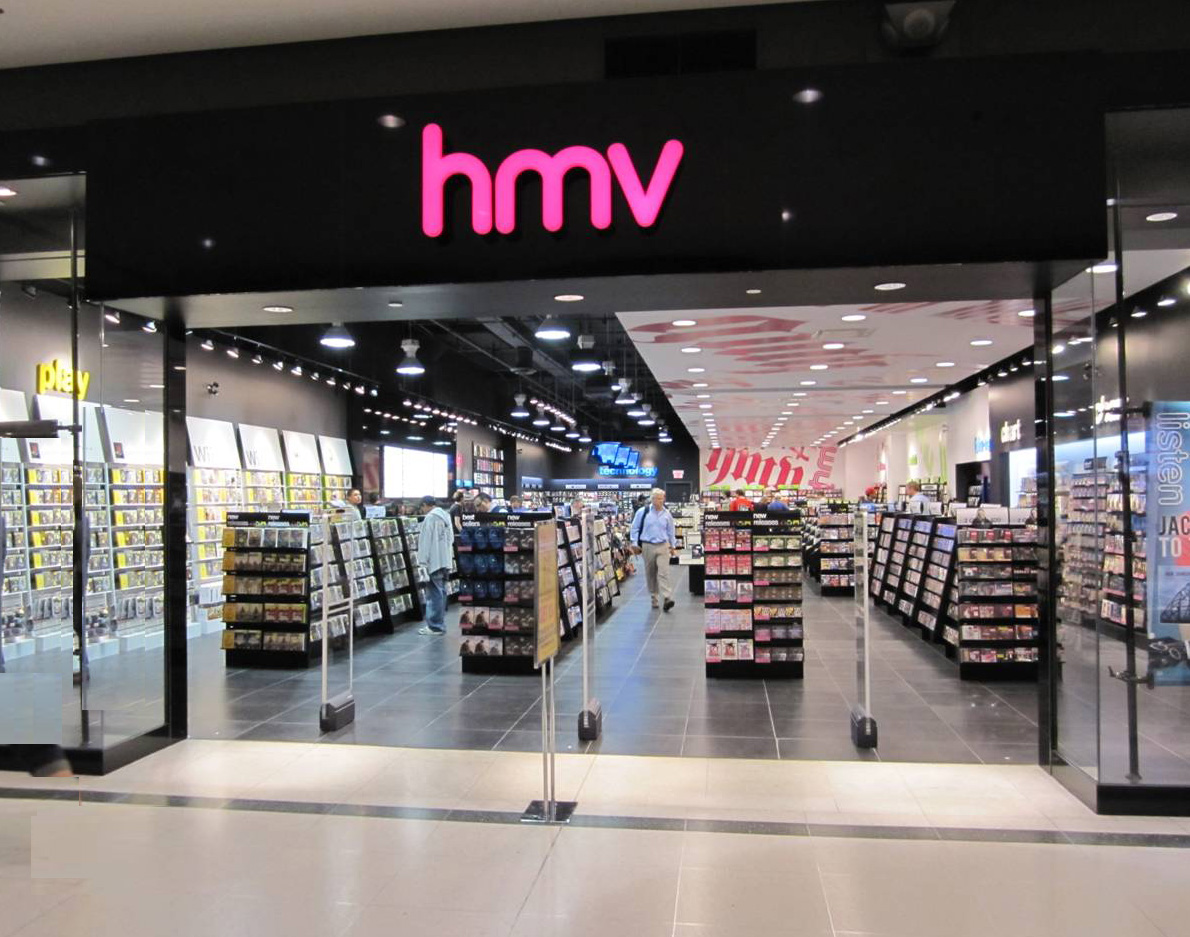
But a report by Kanter WorldPanel said last month that Blockbuster, HMV and Play.com (the online retailer that intends to drop its direct retail business over a tax issue and become an online marketplace) combined only account for 12% of UK games sales.
Their demise has opened the door further to other players. Kantar said that Amazon grew its share of the overall UK entertainment market to 23.4% in the run-up to Christmas, while Tesco and Asda also saw gains. Consumers are still spending, so why are the specialist entertainment retailers failing?
I think this is where the rise of online shopping comes into play. As i said many people are deciding to order their games online in order to avoid the hassle of queuing up to find out what you went out for is sold out.
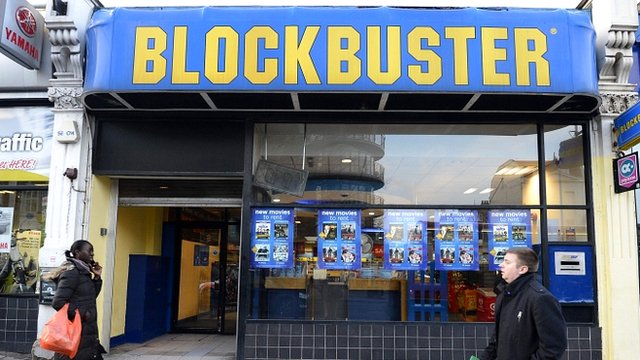
Dan Wagner, the chief executive and chairman of mobile retail company mPowa, said that the struggling retailers are the ones that “failed to move with the times”, or cope with the “threat of the internet”.
Blockbuster has faced aggressive competition from rivals such as Lovefilm and Netflix offering cheap, easy and convenient access to films and TV content by streaming,” he said.
“UK consumers are the most internet-savvy in the world, spending on average of £1,083 a year shopping online, and companies needed digitally focused strategies from the outset of this online revolution. Those that did not have one were bound to struggle as they tried to play catch-up.”
All these analogies and theories point towards the idea that high street retailers are basically becoming extinct but what do you think? Are high street retailers becoming extinct? Let us know in the comments.
